

The Business Owner’s Quick Guide to FR Codes: Understanding Flame Retardant Standards
EN ISO 11612 Standard
Protective clothing. Heat protection. Flame protection. Outer garments. Industrial settings. Not for welders. Not for structural fire. Read performance levels. Check garment labels. Ensure worker safety. Match codes to risks.
Code A: Flame Spread
Limited flame spread. Surface ignition. Edge ignition. Test A1. Test A2. Prevent fire growth. Essential requirement. Minimum standard.
- A1: Surface ignition.
- A2: Edge ignition.
Code B: Convective Heat
Heat transfer. Flame exposure. Protection duration.
- B1: 4 to 10 seconds.
- B2: 10 to 20 seconds.
- B3: Over 20 seconds.
Code C: Radiant Heat
Infrared radiation exposure. High temperature protection.
- C1: 7 to 20 seconds.
- C2: 20 to 50 seconds.
- C3: 50 to 95 seconds.
- C4: Over 95 seconds.
Code D: Molten Aluminium
Molten metal splash. Industrial foundry use. Resistance levels.
- D1: 100 to 200 grams.
- D2: 200 to 350 grams.
- D3: Over 350 grams.
Code E: Molten Iron
Molten iron splash. Heavy industry. Steel production.
- E1: 60 to 120 grams.
- E2: 120 to 200 grams.
- E3: Over 200 grams.
Code F: Contact Heat
Direct surface contact. High temperature metal.
- F1: 5 to 10 seconds.
- F2: 10 to 15 seconds.
- F3: Over 15 seconds.
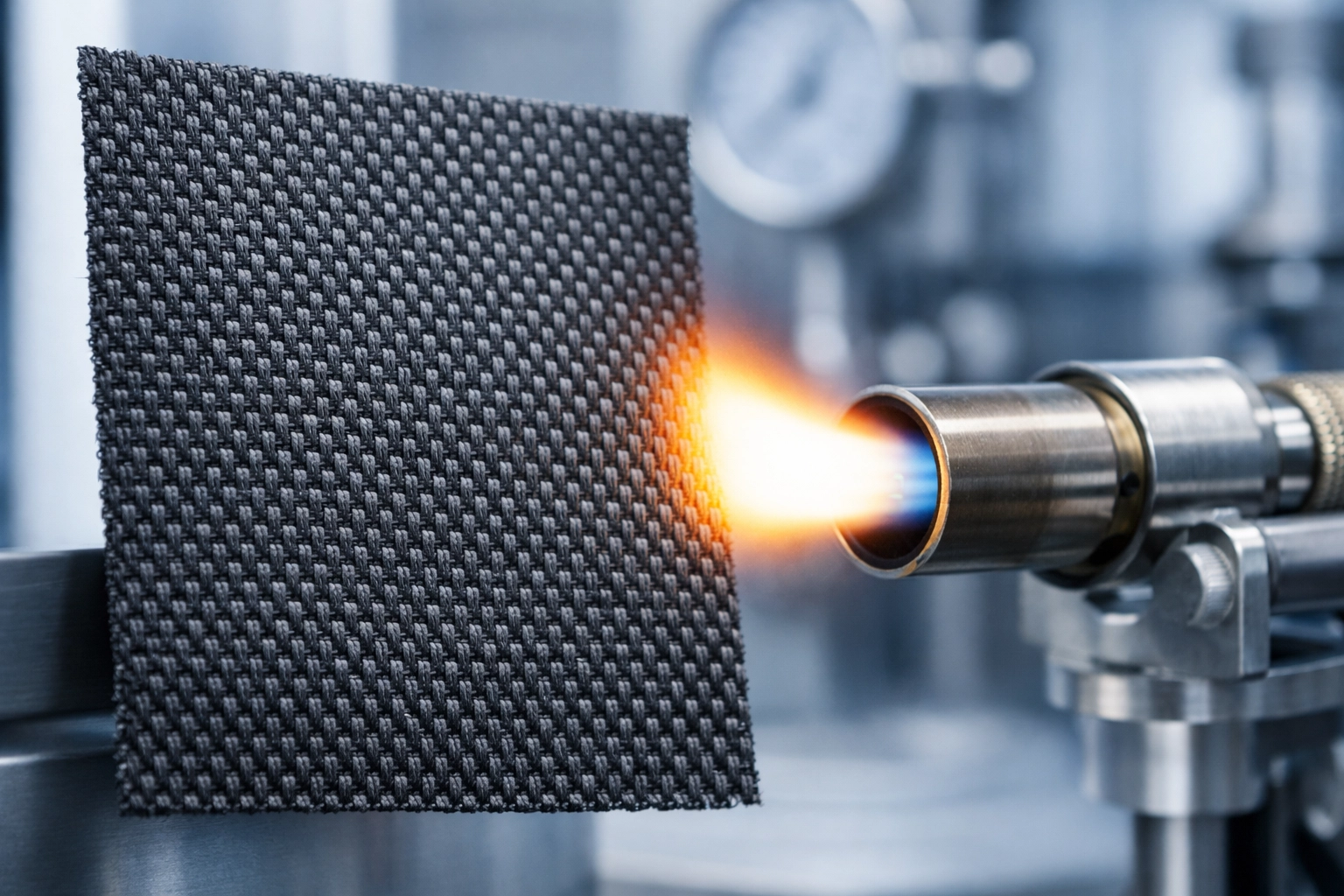
EN ISO 11611 Welding Standard
Welding clothes. Allied processes. Protective levels. Spark protection. Radiant heat. Metal droplets. Manual techniques. Machine processes. Standardised tests.
Class 1 Protection
Low hazard levels. Small splashes. Radiant heat low. Manual welding. Metal grinding. Gas welding. TIG welding. Plasma welding. Spot welding. Lower risk settings. Minimal heat exposure. Small scale operations.
Class 2 Protection
High hazard levels. Heavy splashes. Radiant heat high. MMA welding. MAG welding. Flux cored. Plasma cutting. Gouging. Oxygen cutting. Thermal spraying. Confined spaces. Overhead welding. Extreme heat. High risk industry.
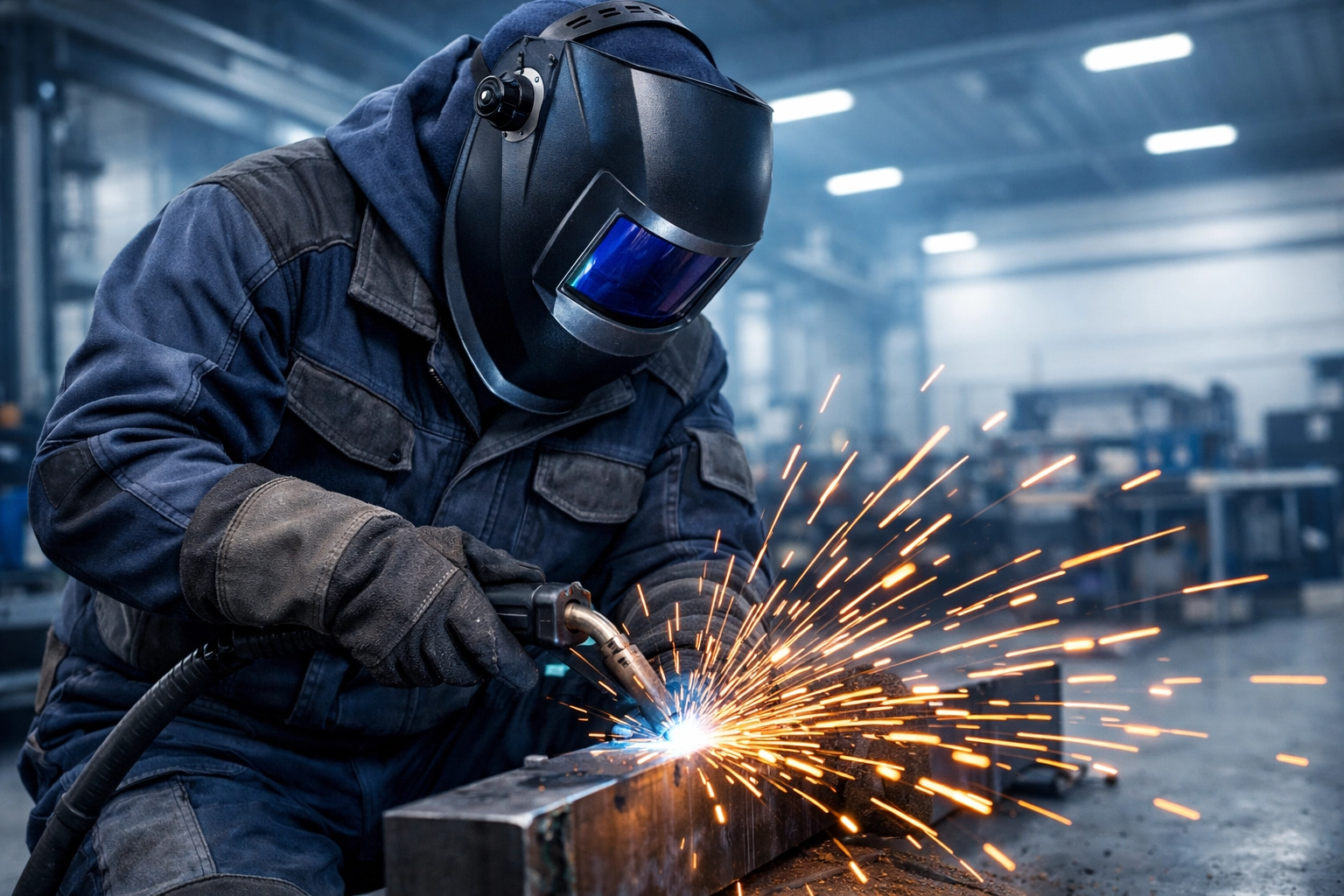
EN 1149-5 Antistatic Standards
Electrostatic properties. Antistatic workwear. Discharge prevention. Spark avoidance. Explosion risk. ATEX environments. Petrochemical use. Gas works. Fuel stations. Chemical plants. Electronic assembly. Static dissipation. Conductive fibers. Surface resistance. Non-conductive materials.
Standard requirements. Garment grounding. Surface charge. Hazardous zones. Preventing ignition. Electrical conductivity. Material testing. Certification needed. Safety compliance. Risk assessment. Static control.

IEC 61482-2 Electric Arc
Arc flash hazard. Thermal effects. Electric fault. Short circuit protection. Electrical maintenance. Power industry. Utility workers. Garment integrity. Heat attenuation. Burn prevention. Box test method. Open arc test.
Arc Protection Class (APC)
Current testing. 4kA exposure. 7kA exposure.
- APC 1: Low protection. 4 kiloamperes. Standard risk.
- APC 2: High protection. 7 kiloamperes. Elevated risk.
Open Arc Testing
Ebt50 rating. ATPV rating. Calorific values. Energy levels. Material reaction. Layering effects. Total protection.
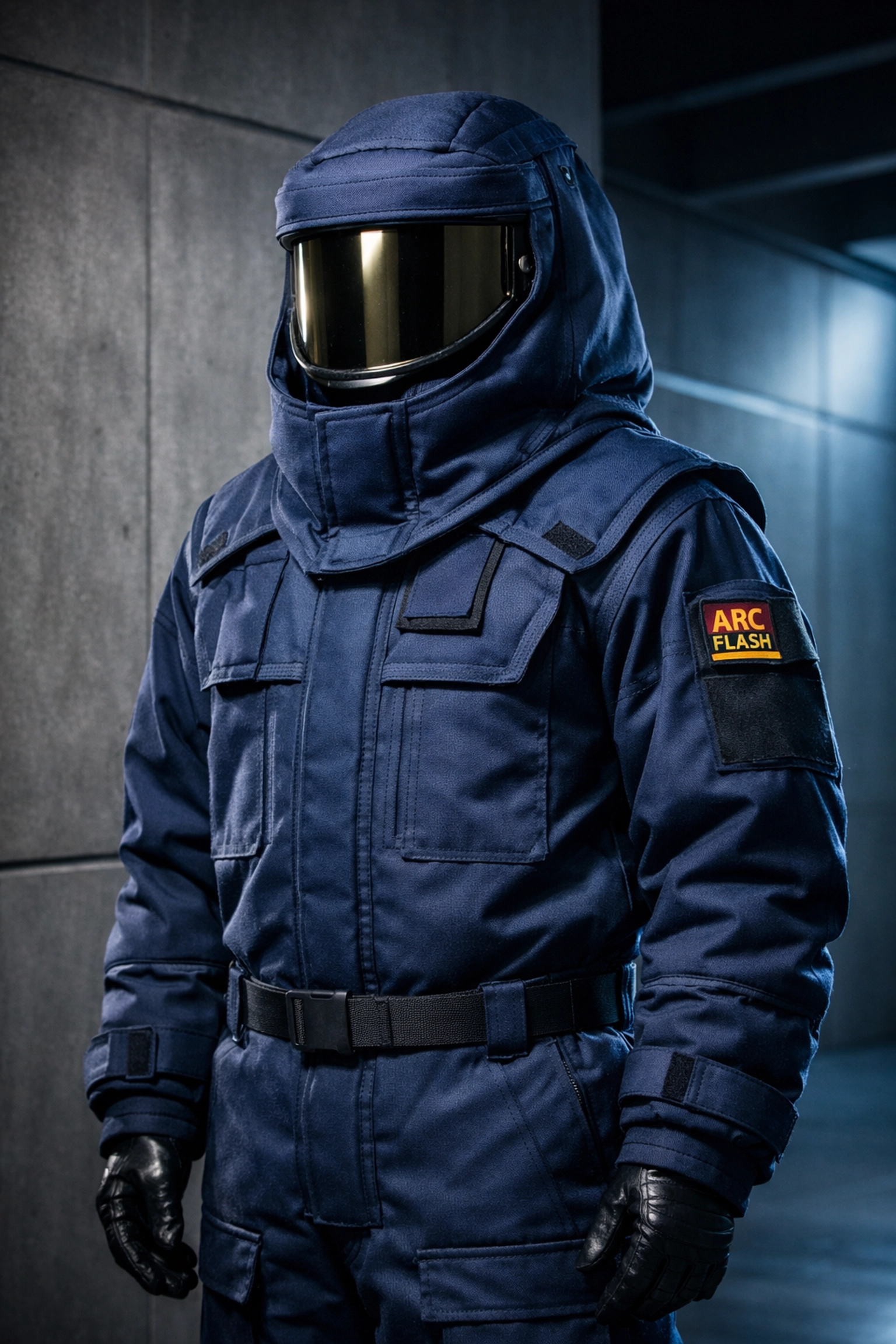
EN ISO 14116 Limited Flame Spread
Materials. Assemblies. Limited fire resistance. Occasional contact. Small flames. Preventing melt. Preventing debris. Burn risk.
Index Levels
Performance categories.
- Index 1: No spread. No debris. Surface char. No hole.
- Index 2: No spread. No debris. No hole. Charring.
- Index 3: No spread. No debris. No hole. Flame duration. Limited afterglow.
Outer layers. Base layers. Combined protection. Chemical hazards. Multi-standard garments. Request a quote.
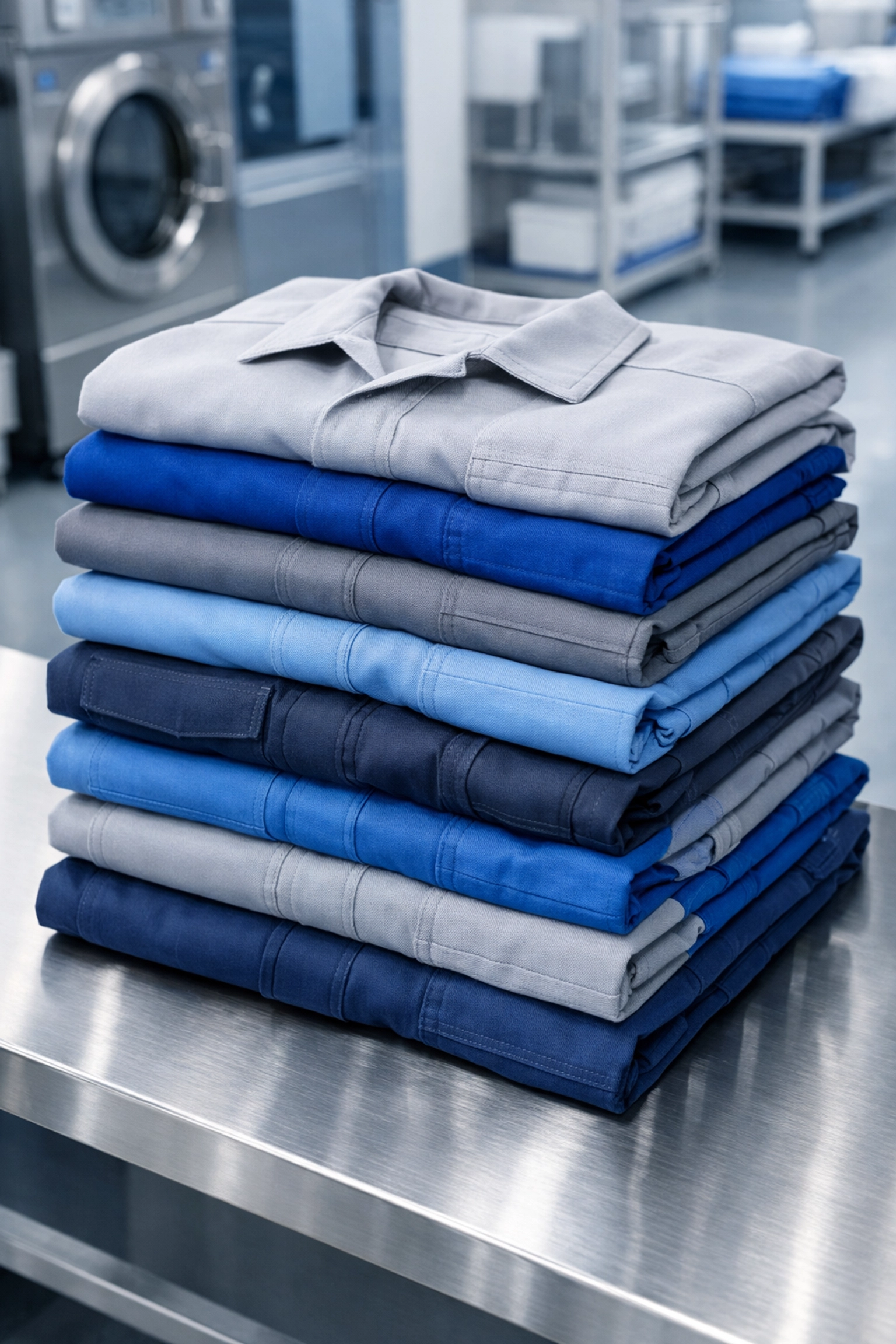
Workwear Rental Maintenance
Select rental garments. Outsource safety risk. Manage inventory. Stock rotation. Size changes. Damaged replacements. Compliance tracking. Standard verification. Certifications held. Legal obligations. Audit trails. Documentation provided. Professional management. Cost control. Fixed pricing. Expert advice.
Verify standards. Check EU rules. Check UK CA. Regulatory compliance. PPE category III. High risk protection.
Workwear Laundry Service
Industrial laundry. Professional cleaning. Temperature control. Chemical balance. pH levels. Detergent choice. Maintaining properties. Flame retardant integrity. Antistatic retention.
Home washing risk. Fabric softener warning. Household soap residue. Flammability increase. Protective coating damage. Shortened lifespan. Safety failure. Service consistency. Performance testing. Batch control. Quality assurance. Thermal disinfection. Cleanliness standards. Hygiene control. Soil removal. Heavy grease. Oil extraction.
View our rental and laundry options.
Embroidered Workwear Standards
Company branding. Logo placement. Identification. Professional image. FR threads. Non-melting thread. Aramid components. Heat resistance. Backing materials. Adhesive risks.
Placement rules. Standard compliance. Heat transfer prints. Silicone badges. FR ink. Logo size limits. Garment structure. Seam integrity. Embroidery tension. Technical specs. Artwork check.
Intro to embroidery. Intro to printing.
Industry Requirements Summary
- Welding: EN ISO 11611.
- Power / Electrical: IEC 61482-2.
- Petrochemical: EN 1149-5.
- Foundry / Steel: EN ISO 11612 (D/E codes).
- General Flame Risk: EN ISO 11612.
- Warehouse / Static: EN 1149-5.
- High Visibility: EN ISO 20471 (Combined).
Ocean Service Group provides. Ocean Service Group manages. Standards met. Quality checked. Compliance guaranteed. Safety prioritized. Workwear rental. Workwear laundry service. Embroidered workwear. Technical support. Specialist gear. High performance. Industry leader.
Check the size guide. Contact Ocean Service Group. Review terms. Examine sitemap.